
ST ROBERTS PRIMARY SCHOOL : NEWTOWN, GEELONG.
Wellbeing > Wellbeing and Behaviour Curriculum
We believe every child learns best when they feel safe, valued and connected. Student wellbeing is at the heart of everything we do, and we are committed to creating a positive, inclusive environment where every student can thrive academically, socially, emotionally and spiritually.
At St Robert’s, we believe that positive behaviour, emotional regulation and strong relationships are skills that need to be intentionally taught, modelled and practised every day. Just like reading or mathematics, these skills develop over time through explicit teaching, consistent expectations and regular opportunities to revisit and apply them.
Our wellbeing and behaviour curriculum is underpinned by the belief that it is always better to be proactive rather than reactive. We focus on teaching students the behaviours, routines and social skills they need to be successful, creating classrooms where every child feels safe, respected, connected and ready to learn.
Using The Resilience Project, The We Thinkers Curriculum (Foundation–Year 4) and our school-wide routines and expectations, we explicitly teach resilience, emotional regulation, social thinking, gratitude, empathy and positive relationships. These programs provide students with the knowledge, language and strategies they need to navigate everyday challenges with confidence.
Our Proactive Approach
Our wellbeing and behaviour curriculum is built on three key foundations:
1. Explicitly Teaching Routines and Expected Behaviour
We don’t assume children know what successful behaviour looks like, we teach it. From how we listen and line up to how we speak respectfully and solve problems, our routines are modelled, practised and revisited throughout the year to create consistency across every classroom.
2. Our Three School Rules
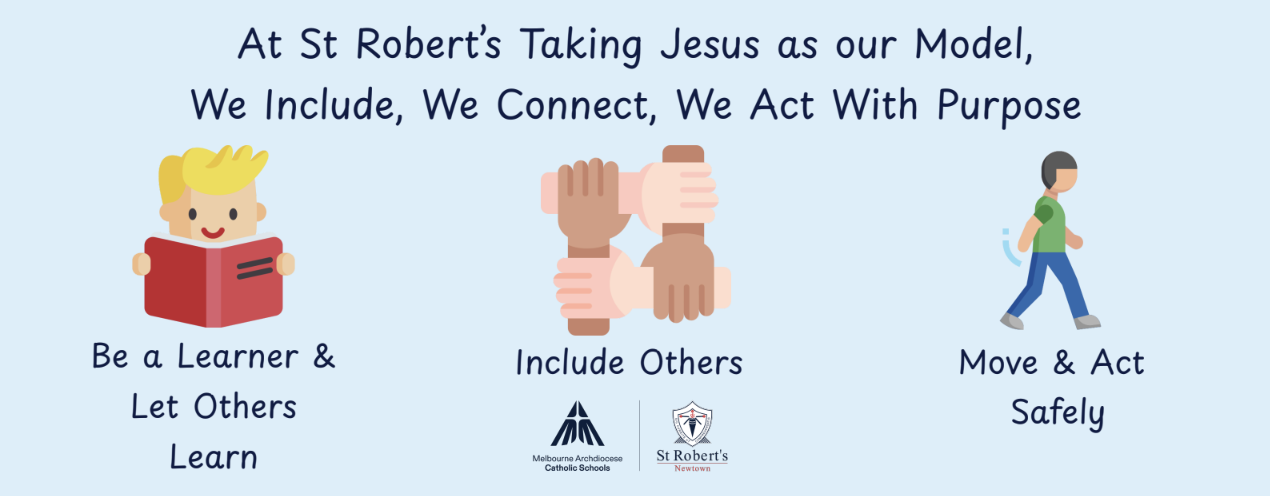
Our simple school-wide expectations guide every interaction across the school:
- Be a Learner and Let Others Learn
- Include Others
- Move and Act Safely
These shared expectations provide students with a common language for learning, relationships and behaviour.
3. Unconditional Positive Regard
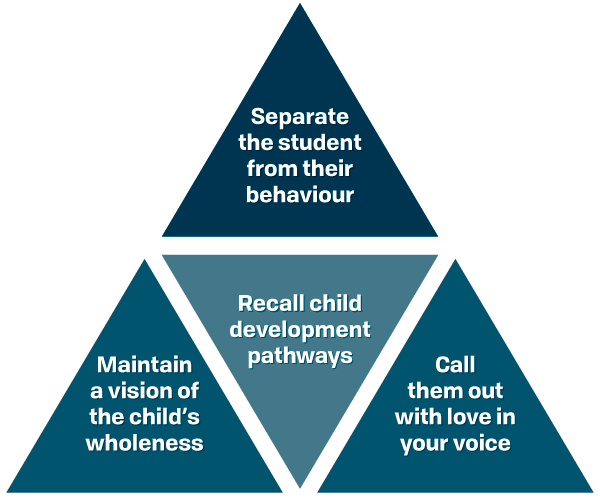
We believe every child deserves to feel known, valued and respected. By separating the child from the behaviour, maintaining high expectations and responding with care, we build trusting relationships that help students learn from mistakes and continue to grow.
The Outcome
When explicit teaching, consistent routines, clear expectations and positive relationships work together, they create calm and orderly classrooms where students feel successful, respected, safe and supported.